Camera Rigs & Support Systems: Essential Tips to Build Your Custom Setup
I remember the first time I hit record on a shoot, only to realize my camera was wobbling uncontrollably, bodies tensed, and my shots looked shaky as if I had forgotten to tighten a single bolt. That frustrating moment was a lightbulb for me—my camera support system wasn’t just a tool, it was the backbone of my filmmaking stability. If you’ve ever experienced that sinking feeling when your gear fails mid-shoot, you’re not alone. Building a reliable, personalized camera rig might seem daunting at first, but it can transform your filming experience. Today, we’ll tackle the most common pitfalls and share expert tips to help you craft a support system tailored to YOUR needs.
Why Your Camera Rig Can Make or Break Your Filmmaking Confidence
As someone who’s spent years tinkering and learning, I’ve found that the right support system isn’t just about adding accessories. It’s about understanding how each component works together to provide balance, comfort, and flexibility during long shoots. A poorly assembled rig can cause fatigue, shaky footage, and missed creative moments. The good news? With the right guidance and some hands-on advice, you can prevent these frustrations. According to industry experts, ergonomic support systems reduce fatigue by up to 30%, allowing filmmakers to focus more on storytelling rather than battling their gear (source: https://rigs.creatorrigreviews.com/essential-camera-rigs-support-systems-build-your-perfect-setup-today). Have you faced these issues in your setups? If so, stay tuned—I’ll help you navigate the essentials of building a rig that supports your creativity, not fights against it.
Select the Right Camera Cage to Begin
Start by choosing a sturdy camera cage that fits your camera model. A well-designed cage, like those highlighted in this guide, provides multiple mounting points for accessories and ensures protection. I once started by using a generic cage that was too bulky, which limited my movement. Upgrading to a tailored cage improved balance and comfort, noticeably reducing fatigue during long shoots.
Secure Your Camera and Test Stability
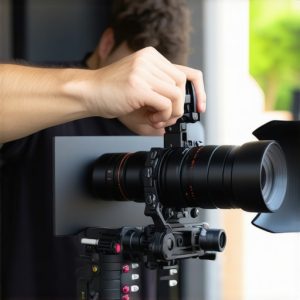
Mount your camera securely within the cage, ensuring that all screws are tight. Balance is key—place your camera on a steady surface and gently shake it to check for wobble. Use a small level to confirm the camera is perfectly horizontal. During a recent shoot, I discovered a slight tilt that caused shaky footage. After adjusting the cage and securing all mounts, my shots stabilized dramatically.
Attach the Top Handle for Control and Versatility
Connect a top handle to the cage’s designated mounting points. It’s akin to holding a steering wheel—your grip influences the shot’s stability. For added control, choose a handle with textured surfaces, which I found helpful during low-light conditions. When I added a top handle with an ergonomic grip, I gained confidence in smooth pans and quick repositioning, enhancing shot fluidity.
Optimize the Shoulder Support for Comfort
Switch to a shoulder rig support by mounting a quality shoulder pad or rig support bracket. This acts as the backbone of your support system—distributing weight and reducing arm fatigue. I recommend adjusting the support height so the camera aligns comfortably with your eye level. During a recent filming session, adjusting the shoulder pad reduced fatigue over extended periods, allowing me to shoot for longer without discomfort. Check out this article for detailed setup tips.
Integrate Essential Accessories to Enhance Stability
Add accessories like matte boxes, follow focus, or external monitors carefully, ensuring they don’t unbalance your rig. For example, mounting an external monitor on the side shifted the center of gravity, causing wobbles. To mitigate this, I redistributed weight by repositioning the monitor closer to the handle and counterbalancing with lighter accessories on the opposite side. Proper accessory placement maintains fluid motion and prevents strain.
Balance the System for Smooth Operation
The key to a professional-looking shot is balance. Focus on distributing weight evenly and securing all components tightly. Test by gently tilting and moving the rig so you can identify any instability. When I balanced my rig meticulously, I experienced fewer shakes and more precise movements, which translated into higher-quality footage. Consider visiting this resource for advanced balancing techniques.While many filmmakers focus on choosing the right camera cage or shoulder rig, they often overlook nuanced pitfalls that can undermine their setup’s effectiveness. One prevalent myth is that more accessories automatically lead to better stability. In reality, adding numerous supports without proper balance can introduce new problems, such as increased weight and unpredictable movement, which contradict the principles outlined in expert rig optimization tips. A common mistake is neglecting the importance of systematic weight distribution; filmmakers tend to bolt on accessories haphazardly, creating a rig that’s top-heavy or unbalanced, risking shaky footage. Think of it this way: a rig’s stability depends more on discipline in setup than on quantity of gear. Moreover, many assume that top handles are universally beneficial, but in truth, they can cause wrist strain if not properly adjusted, especially during prolonged shoots. Advanced users should consider the subtle difference between rigid support and flexible ergonomics, as highlighted in this comprehensive guide. There’s also a myth that camera cages are ‘one-size-fits-all,’ but they often cause compatibility issues or hinder access to essential ports if not selected carefully. This underscores the need for customized solutions rather than relying solely on popular models. Finally, be cautious of the trap many fall into—believing that external accessories can compensate for fundamental design flaws in your camera rig. For example, attaching a heavy monitor on one side to balance a rig without addressing core weight distribution can lead to unintended vibrations and ergonomics problems, as noted in recent industry analyses. Remember, the goal is a harmonious balance, not just a collection of individual parts. Want to ensure your gear setup truly enhances your filmmaking? Check out this expert resource for deeper insights. Have you ever fallen into this trap? Let me know in the comments.Maintaining your camera rig accessories is crucial for reliable performance and long-term success. I personally rely on dedicated cleaning kits like the ForLens Cleaning Kit, which allows me to remove dust and smudges from delicate components like the cage and top handle without risking damage. Regular inspection of mounts, screws, and quick-release plates ensures everything stays secure, preventing unexpected wobbles during shoots. It’s also wise to keep spare parts—such as replacement screws and nuts—in a dedicated toolbox—to address any loose or missing elements promptly. Software-wise, updating firmware on compatible accessories can enhance compatibility and stability, especially with newer models. In terms of scaling your support system, investing in modular accessories like quick-mount brackets allows you to adapt your rig quickly to different shooting scenarios. Trend-wise, I predict the move toward integrated support solutions with built-in wear indicators, which will automatically notify you when maintenance is due, saving time and preventing equipment failure.
How do I maintain my camera rig over time?
Establish a routine that includes thorough cleaning after each use, periodic tightening of all fasteners, and regular software updates for digital accessories. Document any issues you encounter and address them promptly; this habit extends the lifespan of your gear and ensures optimal performance. I also schedule quarterly comprehensive reviews of my setup, following the guidelines outlined in this resource. A key tip is to test your entire rig before a shoot—checking each component’s stability and function—to catch potential problems early. As technology advances, I’m excited to see future innovations like smart rig components that self-diagnose, ensuring your gear is always mission-ready. To get started, try implementing a weekly cleaning and inspection regimen, which can prevent minor issues from escalating. Ready to upgrade your maintenance game? Dive into the detailed review of top support accessories that can make upkeep easier and more efficient.
Over the years, I’ve discovered that the journey of building your perfect camera support system is filled with nuanced lessons that often only come through experience. One of the hardest lessons I learned was that adding more support accessories doesn’t automatically translate to better stability. Instead, meticulous balance and understanding your gear’s dynamics make the real difference.
Trust your intuition—if something feels off when assembling your rig, take a step back and reassess the weight distribution. Myth-busting —many believe that a heavy-duty cage guarantees protection and stability, but often, a well-fitted and lightweight cage paired with proper support beats bulkiness every time.
Another insight I’ve embraced is the importance of regular maintenance and thoughtful upgrades. Keeping your gear clean, tight, and updated ensures you’re ready for any shoot. Explore this comprehensive guide for sustaining your support system in peak condition.
Remember, the goal isn’t just to assemble a rig but to craft a personalized system that amplifies your creative vision. Patience and experimentation are your best allies on this path.