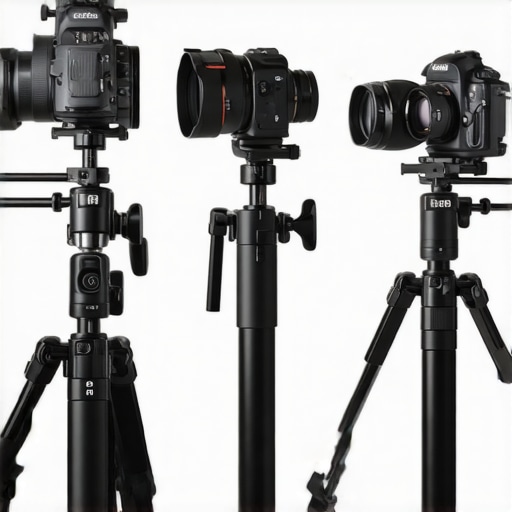
Camera Rigs & Support Systems: Ultimate Guide to Building Your Setup
Ever had that heart-sinking moment on set when your camera rig wobbles unexpectedly, or your shot turns out shakier than you thought it would be? I remember my first shoot vividly. I was so eager to get that perfect shot, but my rig felt more like a wobbly old bicycle than the steady support system I envisioned. That lightbulb moment hit hard: I was missing crucial rig accessories and didn’t fully understand how to optimize my setup. Since then, I’ve learned that building a reliable camera rig isn’t just about buying the latest gear—it’s about understanding how each piece works together to give you control, stability, and smoothness. And trust me, it makes all the difference.
Why Your Camera Support System Can Make or Break Your Shots
Let’s face it. Filmmaking is a game of precision. The tiniest shake or awkward angle can ruin a scene and diminish your footage’s professional look. That’s where a well-built camera rig comes into play. It’s your best friend for achieving those buttery smooth shots, especially during handheld shoots or dynamic scenes. But here’s the catch: a poor setup can lead to frustration, wasted time, and subpar results. I’ve been there—trying to stabilize a heavy camera with makeshift solutions only to end up with sore arms and shaky clips. That’s why I want to share what I’ve discovered: a solid, customizable rig setup is essential, and it’s easier to build than you might think.
Today, we’ll explore how to assemble a rig that’s tailored to your style and needs, from choosing the right cage to adding supportive accessories. Whether you’re a beginner or a seasoned pro, these insights will help you create a support system that boosts your confidence and elevates your craft. Ready to ditch the shaky footage? Let’s get into the nuts and bolts of building your perfect camera rig.
Is Overloading Your Rig Worth the Hassle?
When I started, I thought more gear meant better shots. Wrong. I made the rookie mistake of cramming my rig with every accessory I thought I might need. Turns out, too much weight or unnecessary attachments only made my setup unwieldy. It’s tempting to buy every new rig accessory or gadget, but less is often more. I’ve found that focusing on essential components—like a durable cage, ergonomic top handle, and stable shoulder support—makes my workflow smoother. For some expert tips on how to avoid this mistake, check out this guide.
Now, I focus on quality over quantity, ensuring each piece has a purpose. That way, my rig isn’t just a collection of parts; it’s a cohesive system designed for stability and ease of use. Ready to build yours? Let’s dive into the step-by-step process of creating a setup that works for you, not against you.
Start with a Solid Camera Cage
Think of the camera cage as the skeleton of your setup. It surrounds your camera, providing mounting points for all accessories and protecting your gear. When I first assembled mine, I chose a cage with multiple threaded holes and a sturdy build. This allowed me to attach a top handle, monitor, and follow focus without sacrificing stability. To ensure compatibility and durability, pick a cage that fits your camera model perfectly, like the options detailed in this guide. Always tighten all screws securely to prevent any wobble during shoots.
Attach a Comfortable Top Handle
The top handle is your grip for smooth, controlled movements. I recommend a handle with a rubberized grip and multiple mounting points for accessories. When I added mine, I tested different angles until I found one that felt natural in my hand. This step is crucial for handheld shots, especially when you’re moving around tight spaces. An ergonomic top handle like the ones in this resource can drastically improve your comfort and shot stability. Remember, a loose handle can cause shaky footage, so tighten all screws firmly.
Build a Reliable Shoulder Rig
For longer takes or dynamic scenes, a shoulder rig distributes the weight evenly, reducing fatigue. I once spent a day shooting with a makeshift shoulder rig and ended up with sore shoulders and shaky clips. Once I transitioned to a professional setup, my stability improved significantly. To assemble one, attach a shoulder pad to a rod system connected to your cage. Adjust the height to match your eye level for natural framing. Check out this article for tips on selecting the right shoulder support. Tighten all connections and ensure the weight is balanced for smooth panning and tilting.
Optimize Your Rig Accessories
Adding the right accessories transforms your rig from basic to professional. A follow focus helps with precise focus pulling, while a matte box reduces lens flare and protects your lens. When I integrated a follow focus, I used a gear system that meshed smoothly with my lens, which made focusing during shots much easier. Remember, less is more—avoid cluttering your rig with unnecessary gadgets that can make movements jerky. For a curated list of essential accessories, see this guide. Secure all accessories tightly, and double-check before shooting to prevent accidental drops or shifts.
Test and Adjust Before Shooting
Once assembled, always test your rig. Walk around, perform pans, tilts, and handheld shots to identify any wobble or imbalance. I once skipped this step and found out mid-shoot that my monitor was loose, causing distractions. Tighten everything again, and adjust your rig setup to ensure optimal comfort and stability. Fine-tuning your assembly will save you time during actual shoots and improve your footage quality.
Building a reliable camera rig is about understanding how each component contributes to stability and control. Approach it systematically, focus on quality over quantity, and always test thoroughly. With practice, your setup will become an extension of your vision, enabling you to capture professional, steady footage every time.
Many filmmakers believe that assembling a camera rig is simply about stacking accessories for a more professional look. However, the real nuance lies in understanding how these components interact under real-world conditions. A common misconception is that bigger, heavier rigs automatically produce better stability. In my experience, overloading your setup can actually hinder performance, leading to unintended vibrations and fatigue. Instead, focus on balanced weight distribution and ergonomic design, which are often overlooked but crucial for prolonged shoots. For example, a poorly balanced shoulder rig can cause subtle jitters that ruin otherwise smooth footage. To dive deeper into optimizing your setup, check out this resource.
Another myth is that the camera cage is just a protective frame. While protection is important, the real advantage of a high-quality cage is the multitude of mounting points that allow for precise customization. But beware of the trap of over-mounting accessories—adding too many can create a cluttered, unbalanced rig that hampers quick adjustments. Advanced users often get caught here, thinking more gear equals more control. Instead, I recommend a strategic approach: select only essential accessories that enhance stability and control, not just add weight. For insights on choosing the right accessories, see this guide.
Why does my top handle feel unstable when I move the camera fast? Better control requires understanding leverage and grip ergonomics. A top handle that isn’t properly aligned with the camera’s center of gravity can cause uneven weight distribution, resulting in shaky movements. Advanced shooters often overlook this detail, leading to fatigue and shaky footage. The solution is to fine-tune your handle placement, ensuring it’s centered and at a comfortable angle. This small adjustment can dramatically improve your control, especially during fast pans or quick movements. For expert tips on optimizing your handle setup, explore this article.
Finally, many assume that shoulder rigs are just for long takes. The truth is, a well-designed shoulder rig enhances stability even in short, dynamic shots. The trap here is neglecting proper weight balancing, which can cause strain and affect shot steadiness. Advanced users know that adjusting the rig’s center of gravity and padding is key to maintaining control during rapid movements. Remember, the goal is to create a rig that feels natural and effortless, not cumbersome. For more on fine-tuning your shoulder support, visit this resource.
In summary, the hidden nuance in camera rig setup isn’t just about gear—it’s about strategic placement, balance, and understanding the physics of movement. Avoid these common myths and pitfalls, and your footage will reflect a professional quality that stands out. Have you ever fallen into this trap? Let me know in the comments.
Maintaining your camera rig, from the cage to the shoulder support, is crucial for ensuring consistent performance and longevity. Over time, dust, sweat, and regular wear can degrade your gear’s stability and functionality. That’s why adopting a routine maintenance schedule and using the right tools can save you money and keep your setup reliable. Personally, I swear by a few specialized tools and methods that have proven effective in my workflow.
First, investing in a high-quality cleaning kit is non-negotiable. A small brush with soft bristles, microfiber cloths, and compressed air can remove dust from delicate parts like the cage’s mounting points and the top handle. I use a precision screwdriver set designed for electronics—such as the Wiha 26194 Precision Screwdriver Set—which allows me to tighten or replace screws without stripping them. Regularly checking and tightening all fasteners prevents wobble and maintains the rig’s structural integrity. For example, loose screws on the top handle or shoulder rig can cause shaky footage, which is a nightmare during critical shots.
Another essential maintenance step involves lubricating moving parts. I recommend using a small amount of silicone-based lubricant on the joints of shoulder rig components, especially if they feel stiff or squeak. This simple step ensures smooth movement and reduces wear over time. Remember, avoid over-lubricating, as excess can attract dirt and cause more harm than good.
To keep your rig aligned and functioning properly, I also suggest a set of digital calipers. These help measure and verify the precise placement of accessories, ensuring your setup is balanced and symmetrical. Proper alignment is especially important for accessories like follow focus or matte boxes, which need to be accurately positioned for optimal operation. When I first started, I underestimated how small misalignments could lead to frustrating adjustments mid-shoot, but now I always double-check with calipers before heading out.
Looking ahead, I believe that smart, modular tools will become more prevalent. Imagine magnetic screwdrivers or automated cleaning devices tailored for camera gear—these innovations could streamline maintenance even further. For now, sticking with proven manual tools and establishing a routine is the best way to keep your rig working flawlessly.
How do I maintain my camera rig over time? I dedicate ten minutes after each shoot to inspect and clean every component, paying special attention to screws, joints, and moving parts. Additionally, I store my gear in a padded, organized case to prevent accidental damage and dust buildup. This simple discipline extends the lifespan of my equipment and ensures I can rely on my rig whenever inspiration strikes.
If you want to elevate your maintenance game, consider trying out a small set of precision tools and a cleaning regimen. These investments will pay off by saving you time and frustration during critical shoots. For more tips on optimizing your setup and keeping your gear in top shape, visit this resource.
The Hardest Lesson I Learned About Camera Rigs
One of my biggest wake-up calls was realizing that a fancy, heavy setup often backfires. Less truly is more; overloading your rig with accessories can lead to instability and fatigue. It took me multiple shaky shots before I understood that strategic simplicity and balanced weight are game changers. This lesson pushed me to focus on core components and always test my rig thoroughly before shooting. Remember, a well-balanced rig feels natural and gives you the confidence to move freely without sacrificing stability.
My Favorite Tools That Make Rig Building Easier
Building a reliable support system starts with the right tools. My go-to is a high-quality precision screwdriver set like this set for tightening screws without stripping. I also swear by a microfiber cleaning cloth to keep my gear dust-free and a small brush for delicate parts. For measuring and verifying alignment, digital calipers are invaluable—they help ensure my setup is perfectly balanced. These tools save time and prevent costly damage, making rig maintenance straightforward and effective.
Push Beyond Your Comfort Zone to Grow
Once I mastered the basics, I started experimenting with modular accessories that genuinely enhance my shots. I challenge myself to try new configurations, even if they seem complex initially. Every adjustment teaches me something new about leverage, weight distribution, and ergonomics. The key is to stay curious and not settle for a one-size-fits-all approach. Building a camera rig that adapts to your evolving style is a continuous process—embrace it, and you’ll see your footage improve dramatically.
Resources That Transformed My Filmmaking Approach
- Optimal Camera Rig Setup: This cornerstone guide helped me understand how to select compatible components and avoid common pitfalls.
- Rig Accessories for Stability: A curated list of accessories that truly make a difference during dynamic shots.
- Advanced Rig Tuning: Tips for fine-tuning your setup to achieve buttery smooth footage under various conditions.
- Mastering Camera Rigs: A comprehensive resource that deepened my understanding of physics and ergonomics involved in rig design.
Your Turn to Try
Building a camera rig isn’t just about gear—it’s about strategy, control, and confidence. Take these lessons and resources, and start experimenting with your setup today. Remember, every filmmaker’s perfect rig is unique, so stay patient and curious. With practice, you’ll capture shots that are not only stable but also visually compelling. What’s the one part of your rig you’re excited to improve next? Let me know below!

This post really hits home for me, especially the part about building a balanced and efficient rig rather than just stacking on accessories. I used to fall into the trap of overloading my setup, thinking that more gear meant better shots. But I quickly learned that excessive weight and clutter can hinder mobility and cause fatigue during longer shoots. Since refining my rig to focus on core components like a solid cage and ergonomic handle, my footage has improved noticeably, and my workflow feels much smoother. I especially agree with the emphasis on testing and fine-tuning before shooting—that step often saves me hours of frustration on set. What strategies do others use to keep their rigs lightweight but still versatile? I’d love to hear your tips for balancing functionality with portability, especially for outdoor or on-the-go shoots.
Building the perfect camera rig really is a delicate balance between stability, weight, and functionality. I completely agree with the importance of focusing on core components rather than overloading with accessories. I’ve experimented with modular setups that allow me to add or remove parts based on the shoot requirements, which helps keep my rig lightweight during travel or outdoor work. One thing I’ve found helpful is using quick-release plates and adjustable support systems, so I can fine-tune my setup for different scenes without lugging extra gear. Also, investing in a high-quality ergonomic shoulder pad made a huge difference in reducing fatigue, especially for longer shoots. Do others here prefer a minimalistic approach, or do you still add multiple accessories for certain shots? I’d love to hear how you strike that balance—sometimes simplicity really is key to getting those smooth, professional results.
Building a reliable camera rig has truly transformed how I approach filmmaking. I used to think that having more gear would automatically improve stability, but I quickly realized that overloading thinned my control and increased fatigue. Focusing on essential components like a sturdy cage and ergonomic support made a huge difference in my shots. One thing I struggle with sometimes is finding the perfect balance between portability and functionality, especially when shooting on location. Has anyone found effective ways to keep their rig lightweight yet versatile enough to handle different shooting environments? I’d love to hear your experiences or tips on maintaining this balance. Also, regular testing and adjustments before shoots have saved me so many headaches, ensuring everything is tight and balanced. What are your go-to methods for quickly fine-tuning your setup on set without losing valuable shooting time?
I really appreciate the detailed breakdown of building a camera rig. For me, one of the most overlooked aspects is the importance of balance—not just weight distribution but also how the rig feels in your hands during long shoots. I’ve found that investing in a good counterbalance system, especially for heavier setups, makes a huge difference in minimizing fatigue and maintaining stability. Also, I’ve recently started experimenting with quick-release systems for some accessories, which allows me to adapt my rig quickly based on the shot requirements without sacrificing stability. Has anyone here tried modular systems that let you swap components efficiently? I’d love to hear how those setups hold up in dynamic shooting environments.
Reading through this post really resonated with me, especially the emphasis on not overloading your rig. When I first started, I believed more accessories meant better control and more professional results. However, I quickly learned that adding too much can actually hamper movement and cause fatigue, which ultimately impacts shot quality. I’ve since pared down my setup to focus on essential components like a sturdy cage, a comfortable handle, and balanced support gear. It’s interesting how much small adjustments can improve stability — for instance, fine-tuning the center of gravity with counterweights. I’d love to hear from others about their tricks for keeping rigs lightweight yet versatile enough for quick location changes. Do you prefer modular systems, or do you stick to a more fixed setup? Balancing portability and functionality is definitely a continuous challenge, but one that I find very rewarding.