Camera Rig Essentials: Top Support & Cage Tips for 2025
Ever been in the middle of a shoot, only to realize your camera rig feels more like a burden than a tool? I remember fumbling with an overly complex cage setup, my hands cramped, and my shots shaky because I underestimated the importance of proper support. That lightbulb moment hit hard: without the right rig accessories, even the most talented filmmaker can struggle to achieve smooth, professional results.
Why Your Support System Matters More Than Ever in 2025
In today’s fast-paced filmmaking environment, having a reliable, adaptable camera rig can make or break your shoot. Whether you’re capturing a documentary, a narrative scene, or a quick social media clip, stability and ease of handling are everything. I’ve learned this the hard way—early on, I overlooked the significance of top support and cage customization, and it cost me precious time and quality. Now, I swear by integrating high-quality support accessories and well-designed cages, which not only improve stability but also reduce fatigue during those long shoots.
Have You Faced This Support Struggle?
If you’ve ever felt your camera wobbling or struggled to find a comfortable grip, you’re not alone. Many filmmakers dive into projects without understanding how the right setup can elevate their work. It’s a mistake I made early in my career—assuming that a basic cage and handle would suffice. I’ve since discovered that investing in the right support accessories and mastering their placement can unlock a new level of cinematography. These tools aren’t just add-ons; they’re the backbone of a stable, efficient filming setup.
So, if you’ve ever felt frustrated with shaky footage or uncomfortable handling, stick around. In the next sections, I’ll share practical tips and insights to help you build a support system that works for your unique shooting style. Trust me, the difference is night and day. Ready to transform your setup? Let’s dive into the essentials that will make your camera rig feel like an extension of your creative vision.
Secure Your Base with a Robust Cage Setup
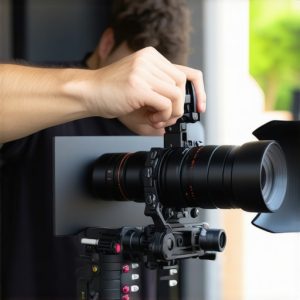
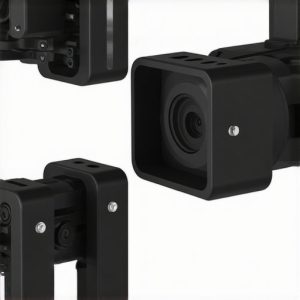
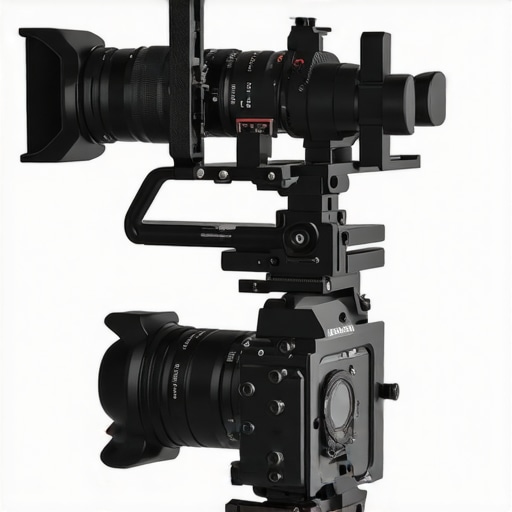
Start by selecting a high-quality camera cage that fits your gear and shooting style. I learned this the hard way during a documentary shoot—my first attempt used a generic cage, which felt flimsy and limited my mobility. I replaced it with a custom-fit cage from this guide, and the difference was night and day. The cage provided essential mounting points for accessories and added rigidity, making my shots steadier and setup faster.
Aligning the Cage Correctly
Ensure the cage aligns perfectly with your camera’s weight distribution. Tighten all screws securely but avoid over-tightening, which can damage the gear. Use a level if necessary to maintain proper balance, especially for handheld shots. This step prevents unnecessary strain on your support system and prolongs equipment life.
Adding Top Handles for Better Control
Attach a top handle to your cage’s mounting points. I recommend a handle with multiple grip positions—this versatility allows you to switch between low-angle shots and overhead views seamlessly. When I first added a top handle, I immediately noticed improved stability, especially during quick movements. For optimal comfort and control, position the handle slightly forward and tighten all mounting screws securely. Check out this resource for top handle options that suit your camera setup.
Experimenting with Grip Placement
Test different grip positions: closer to the camera for precision, farther for stability. During one shoot, I found that moving the handle slightly back reduced fatigue over long periods, helping me maintain steady shots. Remember, adjustable handles give you flexibility—don’t hesitate to tweak their placement until it feels right.
Implementing Shoulder Rigs for Extended Shots
A shoulder rig distributes weight evenly and allows for fluid movement. Start by selecting a shoulder pad that fits comfortably; I prefer models with adjustable height and angle. Attach the shoulder pad to your rig’s base, then connect it to the cage or support rods. During a recent indie film shoot, I used a lightweight shoulder rig with a quick-release feature, which made repositioning effortless. Make sure the rig’s center of gravity aligns with your camera to prevent tilting or wobbling.
Fine-Tuning Balance and Comfort
Adjust the rig’s components to balance the weight. Use counterweights if necessary—during my last project, adding a small weight to the rear of the rig stabilized the shot during handheld segments. Take your time to find the perfect balance, as it reduces fatigue and improves shot stability.
Optimizing Accessories for Stability and Flexibility
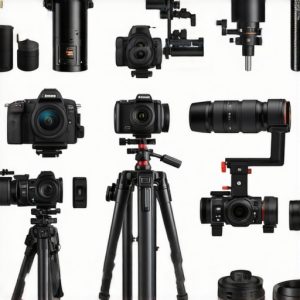
Enhance your setup with accessories like side handles, articulating arms, and counterweights. I recommend a comprehensive review of top accessories. For example, adding a side handle gives you extra control during complex movements, while a follow focus system improves focus accuracy. Always test each addition to ensure it doesn’t compromise your rig’s balance or weight capacity.
Quick Tips for Customization
Label your support components for easy reconfiguration; use quick-release clamps to switch accessories swiftly. During a recent shoot, I customized my rig on-site by swapping a handle for a matte box—saving time and adapting to changing shot requirements.
Building a solid support system is an ongoing process, but mastering these core steps will dramatically improve your footage quality and reduce fatigue. For more detailed insights, explore this comprehensive guide and keep experimenting to find what works best for your style.
Most filmmakers fall into traps because of misconceptions about camera rig components like cages, top handles, and shoulder rigs. Let’s clear up some misconceptions and reveal the hidden nuances that can elevate your filmmaking experience. First, many believe that a heavier rig automatically means better stability. In reality, excessive weight can cause fatigue and reduce control, leading to shaky shots. Instead, focus on balanced setups with quality support accessories, as emphasized in mastering your rig.
Another common myth is that all cages are created equal. This couldn’t be further from the truth. Cheaper cages may seem attractive but often lack the proper mounting points or rigidity needed for professional work. Investing in a well-designed cage, such as those reviewed in top cage innovations, ensures durability and versatility.
Many assume that top handles should be positioned as far forward as possible for better control. However, advanced users know that grip placement impacts both comfort and shot stability. Slightly adjusting the handle’s position can significantly reduce fatigue and improve maneuverability. Check out this guide for optimal handle placement tips.
When it comes to shoulder rigs, the misconception is that a one-size-fits-all approach works. In reality, custom adjustments to counterweights and padding lead to better balance and less strain. This nuanced setup is covered in essential shoulder rigs guide.
Finally, many overlook the importance of accessory placement. Clumsy or poorly positioned accessories can hinder movement or cause imbalance. Proper organization and quick-release systems, discussed in rig accessories tips, make a world of difference.
Have you ever fallen into this trap? Let me know in the comments. Mastering these nuances will help you craft a more efficient, professional setup, turning your camera rig into a true extension of your creative vision.
Maintaining your camera rig, cage, and support accessories is crucial to ensuring smooth operation and extending their lifespan. Over time, dust, wear, and improper handling can degrade performance, leading to shaky shots or equipment failure. That’s why investing in the right tools and adopting a routine maintenance schedule can save you time, money, and frustration on set.
Why Regular Maintenance Is a Game-Changer
Regularly inspecting your rig components helps identify issues early—be it loose screws, worn-out rubber grips, or misaligned parts. For example, I personally rely on a high-quality toolkit that includes precision screwdrivers, thread cleaners, and silicone lubricants. This kit allows me to tighten or replace screws, clean threads for smoother adjustments, and keep moving parts functioning flawlessly. Keeping your equipment clean and well-lubricated prevents corrosion and ensures quick adjustments during shoots.
In the future, I predict that smart maintenance tools—like digital torque wrenches and sensor-based lubricants—will become more accessible, offering real-time health monitoring of your gear. Staying ahead with these innovations will be essential for professional filmmakers who demand reliability under tight schedules.
How do I maintain my rig over time?
Start with a dedicated cleaning routine—use compressed air to remove dust from crevices and a microfiber cloth to wipe down surfaces. For moving parts, apply a few drops of silicone-based lubricant, especially on hinges and quick-release clamps. Regularly check all mounting points and screws; loose screws can cause instability and wobble. Remember to store your gear in a padded case with desiccants to prevent moisture buildup, which can lead to corrosion.
Also, keep a record of maintenance dates and issues encountered; this helps you track the longevity of individual components and plan replacements proactively. If you notice increased resistance when adjusting your top handle or shoulder rig, it’s a sign that lubrication or tightening is needed. For detailed guidance, consult this resource.
Tools I recommend for optimal upkeep
Invest in a precision toolkit that includes a set of small screwdrivers, a cleaning brush, and a silicone lubricant. I also keep a portable inspection mirror to check hard-to-see areas and a microfiber cloth for quick cleaning. For delicate threads and moving parts, consider a dedicated thread-cleaning brush—this prevents cross-threading and ensures smooth adjustments. Additionally, using a magnetic parts tray helps you keep screws and small components organized during disassembly and reassembly.
Moreover, consider digital tools like a torque wrench for precise tightening of critical screws, especially on your cage or shoulder rig. This prevents over-tightening, which can damage threads and mounts. Staying disciplined with routine checks and using the right tools not only preserves your gear but also guarantees shot stability and safety during demanding shoots.
Looking ahead, integrating smart sensors into your setup that alert you to loose screws or lubrication needs could become standard practice. For now, make it a habit to schedule weekly or bi-weekly inspections, especially after intense filming days. This proactive approach will ensure your camera rig remains reliable and ready to capture your best work.
If you want to dive deeper into customizing your maintenance routine, explore this expert guide for advanced tips and recommended tools. Don’t forget—regular upkeep is the secret to keeping your filmmaking gear performing at its peak for years to come. Try implementing one new maintenance tip today and see the difference it makes in your next shoot!
The Hidden Lessons That Changed My Approach to Rig Support
- One of the toughest realizations was that heavier rigs aren’t necessarily more stable; they often cause fatigue and shaky footage. Learning to balance lightweight accessories with solid support made a huge difference in my shots.
- Early on, I underestimated the importance of customizing my cage and handle placements. Small adjustments, like repositioning a top handle or adding counterweights, helped me achieve smoother, more controlled movements.
- Investing in quality support accessories isn’t just about durability—it’s about creating a seamless workflow. When I upgraded to well-designed support gear, my setup became more intuitive, saving me time during critical shoots.
- Routine maintenance and cleaning of my rig components extended their lifespan and kept everything functioning smoothly. I realized that proactive care prevents last-minute surprises when deadlines are tight.
- Understanding the nuances of accessory placement—like where to position a follow focus or articulating arm—improved shot stability and allowed for quick adjustments on the fly. Small tweaks can make a big difference.
Tools and Resources That Elevate My Support Game
- Creator Rig Reviews’ Guide to Building Your Camera Rig: This comprehensive resource offers insights into selecting the right cage, handles, and support accessories tailored to your shooting style, which I trust for its practical advice.
- Top Camera Cage Innovations: Staying updated with the latest cage designs ensures durability and flexibility, crucial for professional filmmaking. I rely on reviews from this source to choose my gear.
- Mastering Camera Rigs in 2025: An in-depth guide that explores how to optimize your setup for stability and comfort, which helped me refine my rig customization process.
- Support Accessories Tips: Practical recommendations on quick-release clamps, counterweights, and ergonomic grips have improved my efficiency and shot quality.
Your Next Step Toward Perfect Shots
Building a reliable camera support system isn’t just about gear—it’s about empowering your creative vision with stability and efficiency. Start experimenting with small adjustments today, and watch how your filmmaking transforms. Remember, every filmmaker’s setup is unique—embrace the process of finding what works best for you. What’s one support tweak you’re eager to try on your next shoot? Share below and let’s grow together!