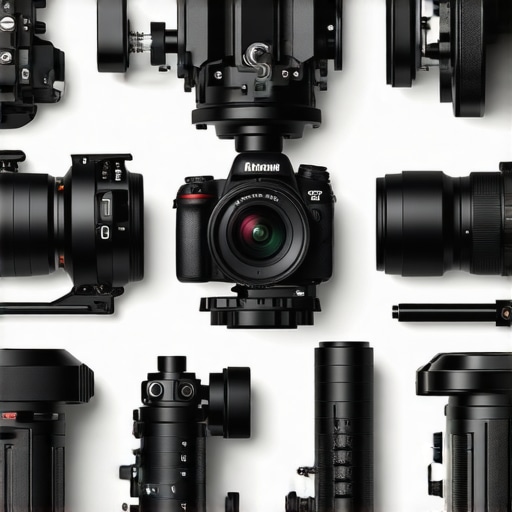
Top Camera Rigs & Cages: Build Your Ultimate Filmmaking Setup
Ever been in the middle of a shoot, camera wobbling, gear slipping, and feeling like your shot is slipping away? I’ve been there, frantically trying to stabilize my camera with one hand while juggling my rig with the other. That lightbulb moment hit hard: I needed a better setup, a system that could handle my passion and the chaos of filmmaking. It’s not just about having gear; it’s about crafting a support system that elevates your craft, makes your shots smoother, and saves your sanity.
Why Your Camera Support System Matters More Than Ever
In 2025, the filmmaking landscape is evolving faster than ever. The demand for high-quality, stable footage has skyrocketed. Whether you’re a hobbyist or a professional, having the right top camera rig & cage can make or break your project. A well-built setup doesn’t just support your camera; it transforms your filming experience. It gives you confidence, flexibility, and the ability to execute complex shots that once seemed impossible.
Have You Faced This Problem?
If you’ve ever struggled with shaky footage, limited mobility, or a rig that feels more like a burden than a support, you’re not alone. I’ve made my fair share of mistakes early on—like overlooking the importance of modularity or choosing cheap accessories that break at the worst time. These errors taught me that building your ultimate setup isn’t about buying the most expensive gear but understanding what works for your specific needs. For a deeper dive on mastering your rig, check out this comprehensive guide.
What’s Next: The Practical Steps to a Pro-Level Setup
In the sections ahead, I’ll share my personal tips and tricks, from selecting the right cage material to customizing your support with accessories that boost stability and comfort. We’ll cover essential components and accessories that will help you build a system tailored to your style. Ready to stop struggling and start filming with confidence? Let’s get into it!
Choose Your Frame Wisely
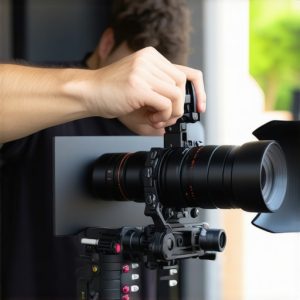
Start with a sturdy camera cage made from lightweight yet durable materials like aluminum or carbon fiber. I once grabbed a cheap plastic cage during a rush shoot, only to have it flex and wobble mid-take. Switching to a metal cage instantly stabilized my camera, making my shots sharper and more confident. For the best options, check out top camera cage innovations. Remember, a solid cage forms the backbone of your support system, so invest wisely.
Pick the Right Handles and Supports
Handles are your direct connection to smooth operation. I recommend a top handle for quick tripod-like moves and side grips for handheld shots. When I added a robust top handle, my ability to execute dynamic crane shots improved dramatically. Micro-adjustments in grip positioning can make a big difference in stability and comfort. Explore top handle tips for customizing your setup.
Add Essential Accessories
Rig accessories like follow-focus systems, matte boxes, and audio mounts aren’t just add-ons—they’re game changers. I once forgot a proper matte box, resulting in lens flare ruining my shot. After adding a quality matte box and filters, my footage gained professionalism instantly. Use best rig accessories to find tools that elevate your workflow.
Balance and Weight Distribution
Balance is everything. I once overloaded my rig with too many accessories on one side, causing fatigue and shaky footage. Distributing weight evenly with counterweights or strategically placing accessories reduces strain and improves stability. Practice balancing your rig before shoots—your arms will thank you. For expert advice, see optimization tips.
Test and Tweak Regularly
Building your rig isn’t a set-it-and-forget-it task. I spent an entire afternoon adjusting my setup, testing different configurations, and noting what felt best. Small tweaks—like repositioning a handle or tightening a bolt—can dramatically enhance stability. Keep testing until your setup feels natural and balanced, then document your configurations for future shoots.
Safety and Security
Secure every bolt and connection. I learned this the hard way when a loose screw caused my camera to wobble during a shot. Use quick-release clamps and regularly inspect your rig. Safety isn’t just about avoiding accidents; it’s about ensuring your gear stays protected and your shots stay steady. For detailed safety tips, visit support system guide.
Many filmmakers operate under misconceptions about the optimal way to build and use camera support systems, which can hinder their creative potential. Let’s dig deeper into some of the most pervasive myths and reveal the nuanced truths that can elevate your filmmaking game.
Are Heavier Rigs Always More Stable?
Contrary to popular belief, adding weight to your support system doesn’t automatically translate into better stability. While a certain amount of counterweight can improve balance, overloading your rig can cause fatigue and reduce maneuverability. Advanced stabilizers use smart design and materials like carbon fiber to achieve stability without excessive weight. Remember, the goal is a balanced, ergonomic setup—sometimes, less is more. For insights on balancing your rig effectively, explore this expert guide.
The Myth of the Perfect Support System
Many believe that once they purchase a high-end cage or support accessories, their setup is complete. In reality, the support system is dynamic. What works for one project or camera might not suit another. Customization, modularity, and ongoing tweaks are essential. Rigidly sticking to one configuration can limit your flexibility. Continual testing and adaptation, as discussed in this resource, ensure your support system evolves with your needs.
Beware of Cheap Accessories
It’s tempting to cut costs on accessories, but cheap mounts, handles, or clamps often compromise stability and safety. A loose screw or flimsy material can lead to gear failure during critical shots. Investing in quality, durable components pays off by preventing accidents and ensuring consistent results. Remember, your support system is an extension of your craft—don’t skimp here. Check out top accessories for recommendations on reliable gear.
Engage Advanced Filmmakers: Is Your Rig Truly Optimized?
If you’re aiming for professional-level shots, consider whether your current setup is truly optimized. Are your weight distributions perfect? Are your handles positioned for maximum comfort and control? Are your accessories adding value or just clutter? These detailed considerations can significantly impact shot quality. For a comprehensive approach, review this advanced guide. Remember, perfection often lies in the small details—have you ever fallen into this trap? Let me know in the comments.
Keeping your camera support system in top shape is crucial for consistent, professional results. Over time, wear and tear can affect stability, safety, and performance. Fortunately, with the right tools and routine maintenance, you can extend the lifespan of your gear and ensure it performs flawlessly every shoot. I’ll share some of my go-to equipment and methods that have helped me maintain my rig effectively, along with insights into where this trend is heading in 2025.
Invest in Quality Cleaning and Inspection Tools
First, I always keep a set of precision screwdrivers and Allen wrenches specifically designed for camera rigs. Regularly tightening bolts and checking for any loose parts prevents accidents during filming. For cleaning, a soft microfiber cloth, compressed air, and specialized lens cleaning solutions are essential to remove dust and grease from delicate components like handles and mounts. These small tools help maintain optimal contact and prevent corrosion, especially if you shoot in humid environments. Incorporating a small magnifying glass can reveal tiny cracks or worn areas before they become major issues.
Establish Routine Checks
Set a weekly or bi-weekly schedule to inspect your entire support system. Look for signs of stress, such as cracks in the cage material or frayed cables. Tighten all fasteners and replace any damaged parts immediately. This proactive approach minimizes downtime and costly repairs. I personally document my maintenance routine with photos and notes, which helps me track the longevity of different accessories and identify recurring issues. Exploring this resource offers detailed checklists for maintaining your support gear.
Use Protective Cases and Storage Solutions
Proper storage is often overlooked but vital. I recommend investing in padded cases and custom foam inserts that securely hold each component. When not in use, store your rig in a dry, dust-free environment. This prevents corrosion and accidental damage. Additionally, some manufacturers now offer modular storage systems that make it easy to organize and transport your gear efficiently. With regular maintenance and careful storage, your rig can last for years, saving you money and ensuring reliable performance.
Stay Updated with Software and Firmware
While hardware maintenance is key, don’t forget about your support accessories like motorized sliders or wireless control systems. Keep their firmware updated to benefit from performance improvements and security patches. Manufacturers often release updates that enhance stability and compatibility, which is especially important as new cameras and accessories emerge. Regularly visiting product support pages and subscribing to newsletters can keep you informed.
Future Trends and Personal Challenge
Looking ahead to 2025, I predict a rise in smart maintenance tools, such as IoT-enabled sensors that monitor wear and tear in real-time. Imagine your rig alerting you when a bolt needs tightening or a cable shows signs of fatigue—saving you from unexpected failures. I encourage you to try implementing routine inspections with high-quality tools like precision screwdrivers and cleaning kits. This simple step can significantly improve your support system’s longevity and performance.
How do I maintain my camera support gear over time? The key is a disciplined routine—regular inspections, quality tools, proper storage, and staying current with firmware updates. These practices ensure your support system remains reliable, safe, and ready for any shoot. Remember, investing in maintenance now pays off with smooth shots and peace of mind during critical moments.
For comprehensive guidance, explore this detailed support system guide and make maintenance a priority in your filmmaking workflow.
As filmmakers, we all know that a reliable camera support system can make or break a shoot. Over the years, I’ve learned that the most crucial lessons come from real-world experience and a few unexpected lightbulb moments. If you’re aiming to elevate your filmmaking game, here are some insider truths that might surprise you.
The Hardest Lesson I Learned About Support Systems
Early in my career, I believed that heavier rigs meant better stability. Turns out, overloading your setup can lead to fatigue and shaky footage. It’s about smart design and balancing weight, not just adding mass. Once I switched to lightweight materials like carbon fiber and focused on proper weight distribution, my shots became noticeably steadier and easier to control.
Why Modular Is the Real Key to Flexibility
Initially, I thought I needed a fixed system to guarantee stability. The truth is, rigid setups limit creativity. Modular support systems allow quick adjustments, so your rig adapts to different projects effortlessly. This flexibility has saved me hours during shoots and kept my workflow smooth even in unpredictable environments.
Cheap Accessories Can Cost You More Than You Think
I’ve made the mistake of skimping on mounts and handles, only to regret it when they break or wobble mid-shot. Investing in high-quality, durable accessories ensures your gear stays secure and your footage remains professional. It’s a small price for peace of mind, especially during critical moments.
Curated Gear for Filmmakers Who Want More
From my experience, these tools have been game changers:
- Top camera cage innovations: Lightweight yet durable, they form the backbone of any support system. Check out this guide for the latest trends.
- Maximize your filmmaking with top handle tips: Customizable handles improve control and comfort. Explore these tips.
- Best rig accessories: Filters, matte boxes, and mounting options enhance image quality and workflow. Find trusted options here.
Don’t Forget Routine Maintenance and Smart Storage
Keeping your support system in top shape isn’t just about quality gear; it’s about regular care. Tighten bolts, inspect for cracks, and clean components to prevent failures. I’ve found that a dedicated storage case with foam inserts keeps everything organized and protected, saving me time and money in the long run. Regular firmware updates for motorized parts also ensure compatibility and performance.
Future Trends That Will Change How You Build Support Systems
Looking ahead, expect smart sensors and IoT devices to monitor your rig’s health in real time. Imagine receiving alerts when a bolt needs tightening or a cable shows signs of wear. Early adoption of these innovations can prevent costly mishaps and keep your productions running smoothly.
Building a top-tier camera support system is a continuous journey, blending quality gear with proper maintenance and a willingness to adapt. Remember, your support system is an extension of your creative vision—make it reliable, modular, and tailored to your needs.
If you’re ready to take your filmmaking to the next level, start by evaluating your current setup and identifying areas for improvement. The right support system empowers you to shoot confidently, even under challenging conditions. For more in-depth advice, explore this comprehensive guide.

This post really hits home for me. I’ve been frustrated in the past with rigs that feel more like a burden than a support, especially during long shoots. I’ve found that investing in a lightweight yet sturdy cage made from carbon fiber really transformed my setup — my shots are much steadier, and I don’t fatigue as quickly. The modular approach you mention is something I swear by now; it allows quick adjustments on the fly, especially in unpredictable environments. An overlooked aspect for me was balancing the weight distribution. Even with the best gear, I used to end up with shaky footage because of uneven weight. Now, I always spend time balancing my rig before each shoot, and the quality of my shots has improved drastically. Has anyone experimented with IoT sensors or smart maintenance tools for their rigs? I’m curious whether they’re worth the investment or still mostly in development. Would love to hear others’ experiences or recommendations on maintenance tools or modular systems that truly make a difference in workflow.
This post resonates with me because I’ve also faced similar challenges with shaky footage and cumbersome rigs. I recently upgraded to a carbon fiber cage, which drastically improved stability without adding extra weight. I agree, modularity is a game-changer; it allows quick customization depending on the shot, saving valuable time on set. Balancing the weight distribution has been a crucial step for me too—once I started to spend more time fine-tuning the setup, my shots became noticeably smoother. Regarding IoT sensors and smart maintenance tools, I’ve explored some options on the market, and while some are in early stages, I believe they hold a lot of promise for future-proofing our gear. Setting reminders for routine checks and using precise tools has also helped me keep my rig in top condition during longer shoots. Has anyone integrated smart sensors into their rigs yet? I’d be interested to hear how they work in demanding environments and whether they’ve truly added value to your workflow or not.
Reading through this post really reinforces how essential a well-designed support system is for making our filmmaking more efficient and less stressful. I’ve definitely experienced moments where a shaky shot just ruins the entire take, especially during long shoots or in challenging environments. I recently found that investing in a modular cage system has made a real difference—being able to quickly swap out handles, add accessories, or adjust balance on the fly is a game changer. As for maintenance, I’ve started to incorporate regular tightening and cleaning routines, and I’ve noticed my gear lasts much longer and performs better. Regarding smart sensors or IoT tools, I have yet to try them, but I’ve been curious about how they could help monitor wear or alert me to potential issues before they cause problems. Has anyone experimented with these yet? It seems promising, but I wonder whether the added complexity is worth it in real-world scenarios. Would love to hear more about how others are integrating or planning to incorporate these technologies into their rigs.
This post really emphasizes the importance of a flexible and well-balanced support system for filmmakers. From my experience, modular support rigs have been invaluable, especially when switching between handheld shooting and tripod setups. I’ve found that lightweight materials like carbon fiber not only reduce fatigue but also maintain stability during complex movements. Balancing the rig is often overlooked but crucial—I spend a few extra minutes adjusting weights and tightness to ensure smooth footage. Regarding smart maintenance tools, I’ve recently started exploring IoT sensors that monitor tension and wear in real-time, and I think they hold great promise for preventing gear failures during critical shoots. Has anyone integrated these sensors into their rig yet? I’d love to hear how they’ve performed in different environments and if they’re worth the investment. Ultimately, a durable, modular, and well-maintained support system can make a significant difference in enhancing creative possibilities and reducing stress on set.