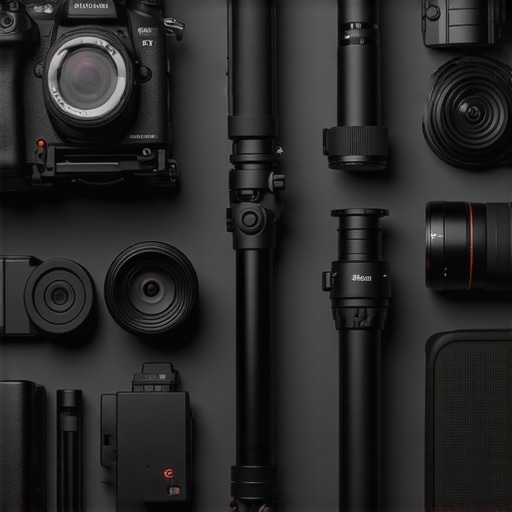
Build Your Perfect Camera Rig with Essential Accessories for 2024
Ever spent hours setting up your camera, only to realize halfway through a shoot that your rig isn’t quite right? I’ve been there—frustrating doesn’t even begin to cover it. One minute, everything looks perfect; the next, you’re fumbling with loose handles or an unstable setup, wasting precious time and risking shaky footage. That lightbulb moment hit me hard: it’s not just about having the gear, but knowing how to build a reliable, versatile setup that works seamlessly. Since then, I’ve learned that a well-designed camera rig made with the right accessories can transform your filmmaking experience—and save you from countless headaches.
In today’s post, I’ll share the secrets to building your perfect camera rig in 2024. From choosing the right cages and supports to essential accessories that elevate your shots, I’ll guide you through the process step-by-step. Whether you’re a hobbyist or a professional, understanding how to optimize your rig can make a huge difference in the quality and stability of your footage. Ready to ditch the makeshift setups and create a reliable, efficient support system? Let’s get started.
Why Your Camera Support System Matters More Than You Think
When I first started filming, I underestimated how crucial a solid support system was. I thought a basic tripod or handheld shot would suffice. Spoiler alert: it doesn’t. A shaky shot ruins the immersion and can even ruin a good take. The right rig not only stabilizes your camera but also allows you to incorporate essential accessories like microphones, lights, and monitors without sacrificing mobility or comfort.
Investing in quality support gear—like a top-notch cage or shoulder rig—can be the difference between amateur footage and professional-looking results. It’s about creating a platform that’s adaptable, durable, and tailored to your workflow. Luckily, with the latest innovations in camera cages and accessories, building your ideal setup has never been easier or more customizable. For a comprehensive overview of the best options, check out this guide.
However, I recall a mistake I made early on—buying cheap, generic accessories that didn’t fit well or break easily. That only added to my frustration. Trust me, investing in quality gear, even if it costs a bit more upfront, pays off in the long run. Properly chosen accessories can greatly enhance your filming experience, making it smoother and more enjoyable. Curious about the latest innovations? Take a peek at top camera cage innovations.
So, are you facing similar issues with your current rig? Do you find yourself constantly adjusting or fighting with unstable support? Stay tuned—next, I’ll walk you through the essential accessories that will turn your camera setup into a professional-grade support system. By the end of this post, you’ll be equipped with the knowledge to build a rig that’s both reliable and tailored to your filming style.
Is Overloading Your Rig Worth the Risk?
This is a common concern I hear from filmmakers worried about weight and mobility. Early in my journey, I made the mistake of overloading my rig with unnecessary accessories, which actually made it less stable and harder to handle. The key is to choose the right combo of support and accessories that enhance your shooting without compromising agility. For expert advice on this, I recommend exploring essential rig accessories.
Choose the Right Support Frame
Start by selecting a durable camera cage that fits your camera model. Think of this as the foundation of your support system—like building a sturdy house frame. When I first upgraded to a metal cage for my Sony A7 III, I noticed immediate stability improvements, especially when mounting multiple accessories. To find the best fit, review options at this guide.
Pick Supporting Handles and Grips
Next, attach top handles or side grips to your cage. These are your control points—like steering wheels—that give you precise movement control. I once added a top handle that doubled as a shoulder rest, which made handheld shots much smoother. For expert tips on selecting the right handle, visit this article.
Incorporate Stabilization Accessories
Stabilizers such as shoulder rigs or handheld stabilizers distribute weight evenly, reducing fatigue and shaky footage. I recommend a lightweight shoulder rig for longer shoots, which you can adjust for comfort. Remember, the goal is to keep your camera steady without sacrificing mobility. For detailed advice, check this guide.
Enhance with Essential Accessories
Adding monitors, microphones, or lights can seem overwhelming, but prioritizing essential gear streamlines your setup. Think of these as the tools that make your filmmaking easier—like adding the right spices to a recipe. I once struggled with balancing multiple accessories until I invested in a versatile power distribution system, which kept everything organized. Explore top accessories at this resource.
Balance Weight and Mobility
Avoid overloading your rig—think of it like a backpack: too heavy, and you’ll tire quickly, too light, and you miss stability. I learned this the hard way when I added extra batteries and a matte box, making my rig cumbersome. Instead, choose lightweight, high-quality accessories that serve multiple functions, ensuring your setup remains manageable. For tips, visit this article.
Test and Fine-tune Your Setup
Once assembled, test your rig with actual shooting scenarios. Adjust handle positions, tighten screws, and balance accessories until everything feels natural. I once spent a day fine-tuning my rig after a shaky first shoot, and the improvement was night and day. For expert calibration techniques, see this guide.
Many filmmakers and hobbyists alike fall into a trap when designing their camera support systems—believing that more accessories and heavier setups automatically lead to better results. Let’s challenge that notion: in my experience, the real secret lies in *precision and balance*, not sheer complexity. A common myth is that adding every new gadget or support element will improve stability and footage quality. However, this often results in a rig that’s unwieldy, fatigue-inducing, and counterproductive. Instead, focus on selecting high-quality, purpose-built accessories that enhance your workflow without overloading your system.
One of the biggest pitfalls I see is overloading the rig with unnecessary equipment—think multiple monitors, excessive batteries, or bulky stabilizers—without considering how these additions affect maneuverability and weight distribution. This approach can lead to shaky shots, faster fatigue, and even damage to your gear. The key is to strike a balance: invest in lightweight, durable components and customize your setup based on specific shot requirements. For example, a well-designed camera cage that fits snugly and allows modular additions ensures stability without sacrificing mobility.
Should You Always Prioritize Weight for Stability?
This is a nuanced question. Many beginners believe that heavier rigs are inherently more stable, but the truth is that excessive weight can be counterproductive. Overloading your system can cause fatigue, reduce your ability to make quick adjustments, and even damage your camera or support gear. The secret to stability lies in proper weight distribution and the use of high-quality supports like shoulder rigs and top handles designed to optimize balance. According to experts at the Creative Rig Reviews site, proper ergonomics and lightweight materials often outperform brute force when it comes to steady shots.
Have you ever fallen into this trap? Let me know in the comments. The goal is to create a rig that feels natural, supports your shooting style, and minimizes strain. Remember, in advanced rig design, less often means more—more control, more flexibility, and ultimately, better footage.
Finally, don’t neglect the importance of fine-tuning your setup. Even a well-built rig requires calibration and testing in real shooting conditions. Use lightweight accessories, consider your shot type, and always prioritize ease of handling. For detailed tips on optimizing your camera rig, check out this expert guide.
By understanding these advanced nuances and avoiding common pitfalls, you’ll be well on your way to building a true professional-grade camera support system that elevates your filmmaking in 2024 and beyond.
Keeping your camera rig in top shape requires the right tools and a consistent maintenance routine. Over time, dust, wear, and accidental bumps can compromise your setup’s stability and safety. Personally, I rely on a few key items to ensure my gear remains reliable and performs at its best. First and foremost, a high-quality multi-bit screwdriver set is indispensable. I use a precision set with magnetic tips to tighten screws on my cage, handles, and accessories without stripping them. This simple tool prevents small issues from turning into costly repairs and ensures all components stay snug during shoots.
Next, investing in a cleaning kit for lenses and camera sensors is crucial. Dust and fingerprints can diminish image quality and cause long-term damage if not addressed regularly. I prefer a kit with microfiber cloths, blower brushes, and sensor swabs, which are gentle yet effective. Regular cleaning keeps your images sharp and prevents dirt from migrating into delicate parts of your rig.
In addition, a threaded tripod wrench is a lifesaver for quickly assembling and disassembling support systems. I keep one in my kit to tighten tripod legs or support brackets without risking over-tightening. It’s especially useful when working in the field, where speed and precision matter. To prevent corrosion or wear, I also apply a light coat of lubricant on moving parts of support arms and joints—just a small amount of silicone spray does the trick.
For software, I recommend using expert calibration tools that help you fine-tune your setup digitally. These programs assist in balancing your rig, adjusting focus, and even simulating different shot scenarios. As technology advances, I predict that AI-driven calibration apps will become standard, making setup and maintenance faster and more precise than ever.
Another critical aspect is documenting your rig’s configuration. I keep a detailed log, including serial numbers, component specs, and maintenance dates. This habit helps me track wear and plan replacements proactively, avoiding surprises during critical shoots. A digital inventory system or a simple spreadsheet works well for this purpose.
How do I maintain my camera rig over time?
Regular checks are vital. I schedule weekly inspections to tighten screws, clean lenses, and examine support joints for signs of stress or damage. After each shoot, I wipe down the entire rig to remove dirt, sweat, and debris. Additionally, I store my gear in padded cases to protect against shocks and environmental factors. Following manufacturer guidelines for each component and replacing worn parts promptly keeps my setup reliable and extends its lifespan.
Remember, the key to a long-lasting, dependable camera rig is consistent care and using the right tools. Don’t skimp on quality—invest in tools that last and will save you headaches down the line. If you’re interested in optimizing your setup, I highly recommend exploring advanced calibration techniques to keep your gear performing at peak levels. Try implementing one of these maintenance tips today and experience the difference it makes in your filmmaking workflow.
One of the most overlooked yet crucial aspects of filmmaking is the support system behind your camera. A well-constructed rig not only stabilizes your footage but also enhances your ability to incorporate essential accessories seamlessly. After years of trial and error, I’ve uncovered some insider lessons that can save you time, money, and frustration in 2024.
The Hardest Lesson I Learned About Camera Rigs
Initially, I believed that piling on various accessories would elevate my footage quality. Turns out, overloading your rig can lead to instability and fatigue. The real breakthrough came when I focused on balancing weight and choosing purpose-built components. Less is more—select high-quality, lightweight accessories that serve multiple functions. This lesson transformed my approach, allowing me to shoot longer without discomfort and with consistent stability.
3 Myths About Camera Support Systems That Held Me Back
- Myth 1: Heavier rigs are always more stable.
Reality: Excess weight can cause fatigue and reduce maneuverability. Proper weight distribution and ergonomic supports are key. - Myth 2: More accessories mean better footage.
Reality: Unnecessary gadgets add clutter, making your setup cumbersome and prone to mishaps. - Myth 3: Cheap gear saves money.
Reality: Budget accessories often break or don’t fit well, costing you more in the long run. Invest in quality support gear for durability and reliability.
What Experts Won’t Tell You About Rig Optimization
Many professionals emphasize the importance of modularity and ergonomics, but few highlight the significance of ongoing maintenance. Regularly tightening screws, cleaning your gear, and calibrating your supports ensure longevity and peak performance. Additionally, documenting your rig’s configuration helps you rebuild and troubleshoot efficiently, saving you time during critical shoots.
Curated Recommendations for Building Your Support System
- Camera cages: Choose durable, lightweight cages that fit your camera model and allow modular upgrades.
- Shoulder rigs: Invest in adjustable, ergonomic shoulder supports to reduce fatigue during long shoots.
- Support accessories: Microphone mounts, monitor brackets, and power solutions streamline your setup for efficiency.
- Top handle options: Enhance control and comfort with well-designed handles tailored to your shooting style.
Your Turn to Try
Building the perfect camera rig is an ongoing process of learning, testing, and refining. Focus on balance, quality, and ergonomics, and your footage will thank you. Remember, a support system tailored to your needs can unlock new creative possibilities and elevate your filmmaking in 2024 and beyond.
What’s the biggest challenge you face when setting up your camera support system? Let me know below!

This post hits home—I remember when I first tried to assemble my rig and didn’t really think through weight distribution or compatibility of accessories. It was a bit frustrating, especially when I realized that cheap, generic parts often broke or didn’t fit well, leading to more headaches. Since then, I’ve learned that investing in quality, purpose-specific accessories can really make a difference. I’ve also found that modular systems offer great flexibility and can save a lot of time during shoots, allowing quick adjustments on the fly.
One thing I’d love to hear others’ opinions on is balancing weight with mobility. Do you prioritize lighter setups for longer shoots even if it means sacrificing some add-ons, or do you go for heavier rigs with all the bells and whistles? It’s a tricky balance, and I’d appreciate tips from those who’ve mastered it. Overall, this guide is a fantastic resource for anyone looking to upgrade their support system. Building your rig with intention truly elevates your filmmaking quality.