Build Your Custom Camera Rig & Top Handle Setup for Stable Shots in 2025
Ever been in the middle of a shoot, only to realize your footage is shaky as a leaf in the wind? That frustrating moment hits hard. I remember my first big shoot—trying to balance a hefty camera on a makeshift rig, only to end up with motion sickness-inducing footage. It was a lightbulb moment for me: the right build-your-own camera rig and top handle setup can make or break your shot quality. Today, I want to share the secrets I’ve learned over the years about creating a stable, reliable setup that elevates your filmmaking game in 2025.
Why Stability Matters More Than Ever
In the era of high-resolution 4K and beyond, shaky footage just doesn’t cut it anymore. Viewers expect smooth, professional-looking videos, whether you’re shooting a cinematic scene or a vlogging adventure. A well-designed rig with the right top handle setup helps you stay steady, reduce fatigue, and capture those silky-smooth shots that impress clients and viewers alike. Plus, with innovations like lightweight materials and modular accessories, building a custom rig has become more accessible and customizable than ever before.
Is Building Your Own Rig Actually Worth the Hype?
I used to think that buying a ready-made rig was the easiest route. But early on, I made a costly mistake—buying a generic setup that was too heavy and lacked flexibility. It felt like dragging around a brick everywhere. That mistake taught me that a personalized build, tailored to your shooting style and gear, offers unmatched comfort and stability. For guidance, I recommend checking out this article on customizing your rig for better shots. Now, I swear by it, and it’s transformed how I shoot.
Choose Your Components Wisely for a Balanced Rig
Start by selecting lightweight yet durable materials like aluminum or carbon fiber for your rig. This reduces fatigue during long shoots. When I built my first rig, I initially opted for steel, which was heavy and cumbersome. Switching to aluminum made a noticeable difference in maneuverability and stability. Check out essential rig accessories to find compatible lightweight parts.
Design Your Rig for Ergonomic Comfort
Arrange your components so that the weight distribution is even. Place heavier gear close to the camera body, and lighter accessories toward the handles. I once set up a rig where the monitor was too far forward, causing strain on my arms. Moving it closer and balancing the weight improved my shot stability. Use adjustable support systems like support systems to customize your setup for comfort.
Maximize Stability with Effective Top Handle Positioning
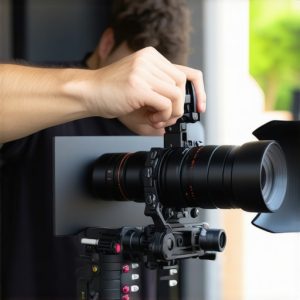
Attach your top handle at a point that provides optimal control—usually centered over the camera’s lens. This helps you keep the rig steady and switch smoothly between handheld and tripod shots. I experimented with different handle positions during a documentary shoot, and the centered handle gave me better control in tight spaces. Consider top handle tips to refine your setup.
Secure Your Accessories for a Seamless Workflow
Use quick-release plates, modular support arms, and clamp systems to easily adjust or swap gear. During a recent project, I needed to switch from a stabilizer to a handheld rig quickly. With modular accessories, I did it in seconds, avoiding costly downtime. Explore rig accessories for seamless integration.
Test and Fine-Tune Your Setup
Before shooting, do a thorough test. Walk around, simulate your shooting style, and make adjustments to handle length, grip position, and weight distribution. I once spent an hour tweaking my rig after a test run, but the stable footage I achieved was worth it. Use optimization tips to perfect your build.
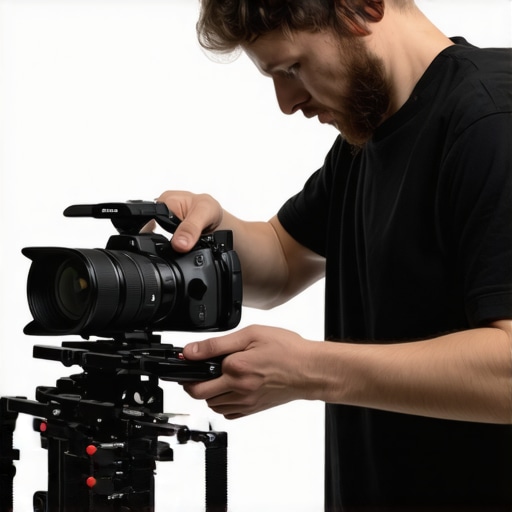
Many filmmakers believe that assembling a sturdy camera rig is just about stacking the right components and tightening screws. However, this oversimplifies a nuanced process where small overlooked details can lead to significant issues. Let’s dig deeper into the most common misconceptions and pitfalls that even seasoned filmmakers sometimes fall into when optimizing their support systems.
Why Overemphasizing Weight Can Backfire
A frequent myth is that heavier rigs automatically translate to better stability. In reality, excessive weight can lead to fatigue, reduced mobility, and even shaky footage if the rig isn’t balanced properly. The key is selecting lightweight, durable materials like carbon fiber, which provide stability without sacrificing maneuverability. Remember, a well-balanced rig distributes weight evenly, reducing strain and improving shot quality. For advanced tips on component selection, check out this guide.
Don’t Ignore Ergonomics in Favor of Looks
Many filmmakers focus solely on aesthetics, customizing rigs for visual appeal rather than comfort. But if your setup isn’t ergonomic, even the most stable rig can cause fatigue, leading to unsteady shots over time. Proper weight distribution, handle placement, and adjustable support systems are crucial. I learned this the hard way during a long shoot when an improperly positioned monitor caused arm strain. Prioritize comfort with adjustable support systems like support systems.
Advanced Mistake: Overlooking the Impact of Handle Positioning
One of the most overlooked details is the placement of the top handle. Many assume that a handle placed anywhere on the rig will do, but its position drastically affects control and stability. A centered handle over the lens provides better control, especially during dynamic shots. Improper handle placement can lead to uneven weight distribution, causing unwanted camera shake. For complex shots, consider adjustable handles that allow fine-tuning for different scenarios. This nuanced setup can make a significant difference in shot quality.
Research by cinematography experts indicates that handle positioning directly influences stabilization and fatigue levels. It’s a small detail with a big impact. If you’re interested in mastering these advanced techniques, explore top handle tips.
Have you ever fallen into this trap? Let me know in the comments. Remember, the devil is in the details—pay attention to every component and position to elevate your filmmaking today.
Keeping your camera rig in top shape is crucial for consistent, high-quality footage. Over time, even the most robust setups can develop issues or degrade in performance. That’s why investing in the right tools and adopting a regular maintenance routine can save you time and money, ensuring your equipment always performs at its best. Today, I’ll share the specific tools I rely on and the methods I use to maintain my camera rig, along with predictions on how maintenance trends are evolving in 2025.
What tools make maintenance easier and more effective?
First and foremost, a high-quality precision screwdriver set is indispensable. I prefer a set like the Wiha Precision Screwdriver Kit because it allows me to tighten or replace screws on supports, joints, and accessories without stripping them. Additionally, a digital torque wrench helps me ensure screws are tightened to manufacturer-recommended specs, preventing over-tightening that could damage delicate components.
For cleaning, I rely on compressed air cans and microfiber cloths to remove dust and debris from sensitive parts like camera mounts, joints, and electrical contacts. This prevents buildup that can cause wear or connectivity issues. A cleaning kit designed for electronics is also worth considering for thorough maintenance.
How do I maintain my rig over time?
Establishing a routine check-up schedule is key. I recommend inspecting your rig before and after every shoot, paying close attention to moving joints, quick-release plates, and support system connections. Lubricating hinges and joints with a specialized silicone lubricant helps maintain smooth movement and reduces wear. Just remember, use lubricants sparingly and only on appropriate parts—over-lubrication can attract dust.
Furthermore, regularly updating your firmware and software for connected accessories like monitors or wireless transmitters ensures compatibility and security. Manufacturers often release updates that fix bugs or improve stability, which is crucial for professional workflows.
Where is the future of rig maintenance headed?
In 2025, expect to see more intelligent maintenance tools. Predictive diagnostics using IoT sensors integrated into rigs could alert you to loose screws, worn parts, or battery health issues before they cause a problem. This proactive approach will significantly reduce downtime and extend the lifespan of your equipment. Companies are also developing modular, self-cleaning components that simplify upkeep without needing disassembly.
To stay ahead, I recommend experimenting with some of these advanced maintenance practices now. For example, try using a precision torque wrench during your next build or repair session. Small investments in the right tools and habits will keep your setup performing flawlessly for years to come.
If you want personalized advice or have specific maintenance challenges, don’t hesitate to reach out. Staying vigilant with your tools and routines will ensure your camera rig remains a reliable workhorse, ready for any shoot that comes your way.
The Hardest Lesson I Learned About Camera Rigs
Early in my filmmaking journey, I believed that heavier rigs meant better stability. It took countless shaky shots and fatigue to realize that lightweight, well-balanced setups outperform bulky builds every time. Prioritizing material choice, like switching to carbon fiber, was a game-changer, making me rethink what stability truly means.
3 Myths About Camera Rigs That Held Me Back
One myth I dispelled was that complex, expensive rigs guarantee perfect shots. Simplicity and customization matter more. The second myth was that handle placement doesn’t influence stability—wrong! Properly positioned top handles, especially centered over the lens, dramatically improve control and reduce shake. Lastly, I used to ignore ergonomics, thinking aesthetics were enough. Comfort and even weight distribution are essential for long shoots and steady footage.
What Experts Won’t Tell You About Rig Maintenance
Many overlook routine upkeep, but small habits like using microfiber cloths, precision screwdrivers, and regular inspections extend your gear’s life. I discovered that IoT-integrated diagnostic tools are the future—predictive maintenance can alert you to issues before they become costly problems. Investing in these tools now can save time and money down the road.
Curated Recommendations for the Serious Filmmaker
My Essential Toolkit for Camera Rigs includes the Essential Shoulder Rigs for 2025, trusted for their lightweight durability and modularity. For fine-tuning, the Support Systems Guide offers invaluable advice on ergonomic setup. Lastly, for ongoing learning, the Mastering Camera Rigs in 2025 ebook is a treasure trove of insights.
Your Turn to Elevate Your Filmmaking
Building a stable, efficient camera rig isn’t just about the parts—it’s about understanding the nuances that make a difference. With the right tools, mindset, and attention to detail, you can transform shaky footage into cinematic gold. Remember, the best gear in the world won’t help if the setup isn’t right. Take action now and experiment with your rig’s balance and handle placement—your future shots will thank you.