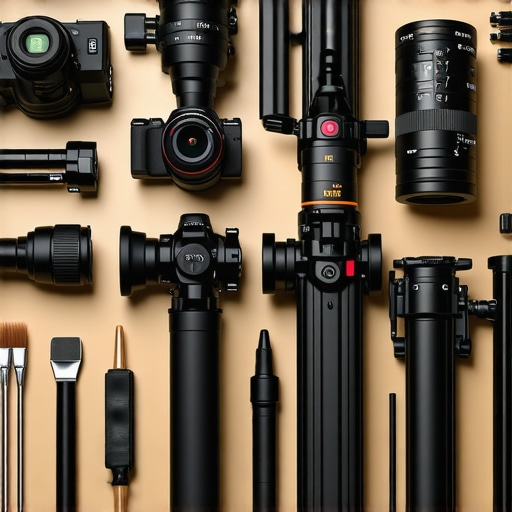
Camera Rigs & Support Systems: Expert Tips for Building Your Custom Setup
Have you ever felt the frustration of trying to stabilize your camera during a crucial shot, only to have everything wobble at the worst moment? I’ve been there. One failed attempt to rig my camera led to shaky footage and a long night of troubleshooting. That lightbulb moment made me realize: a well-built, customized support system isn’t just a luxury — it’s a necessity for professional-quality filmmaking.
Why Your Camera Setup Matters More Than Ever
In today’s competitive video production landscape, the difference between amateur and professional results often boils down to equipment and setup. Even the most talented videographers can struggle without the right support gear. From handheld shots that wobble to complex cranes that feel unstable, poor support can sabotage even the best ideas. According to a recent study by the Society of Camera Operators, stability and ergonomics significantly impact shot quality and operator fatigue (source).
But here’s the thing: building your own custom rig isn’t just about money — it’s about creating a system tailored specifically to your filming style, camera gear, and shooting environment. Whether you’re shooting a documentary, a cinematic short, or a commercial, a support system that fits your needs can dramatically improve your efficiency and shot quality.
So, if you’ve ever faced issues like cumbersome setups, unstable shots, or painful rig configurations, you’re not alone. And today, I’m going to walk you through the essential tips to build a support system that elevates your filmmaking — from choosing the right components to understanding how they work together. Ready to transform your camera setup? Let’s dive in.
Is Building a Custom Camera Rig Actually Worth the Hype?
Early in my journey, I made the mistake of rushing into buying generic accessories without understanding their compatibility. That led to a lot of frustration and wasted money. Over time, I learned that investing in a thoughtfully assembled rig pays off in stability, comfort, and creative freedom. If you’re skeptical about whether it’s worth it, consider this: a well-designed rig can save you hours of post-production by reducing shaky footage and allowing you to focus on your shot composition. For more ideas on top accessories, check out best rig accessories for seamless video production.
Define Your Filming Needs and Budget
Start by assessing your typical shooting scenarios. Do you need stability for handheld shots, or are you aiming for smooth cinematic movements? For example, I once filmed a documentary in rugged outdoor conditions, which required a rig that was both lightweight and durable. Setting a clear budget helps you prioritize components like rigs, handles, or additional stabilizers. Visit this comprehensive guide to understand how your budget influences your choices.
Many aspiring filmmakers believe that assembling a custom camera rig is a straightforward task of selecting the most expensive components or copying popular setups. However, this common misconception often leads to suboptimal results, especially when overlooked nuances undermine stability and comfort. Let’s dig deeper into what most people get wrong about building support systems for filmmaking and how to avoid these pitfalls.
Myth: More Equipment Equals Better Stability
One of the most pervasive myths is that simply adding more gear—such as numerous handles, multiple rods, or heavy accessories—will automatically improve shot stability. In reality, excess equipment can introduce imbalance, increase fatigue, and complicate maneuverability. A well-optimized rig prioritizes weight distribution and ergonomic placement, rather than just piling on gear. For example, a lightweight support system designed with proper center of gravity can outperform a bulky setup that’s hard to handle. To understand how to streamline your rig effectively, check out this expert guide.
The ‘Oops’ Factor: Ignoring Compatibility and Ergonomics
Another common mistake is neglecting compatibility between components, such as mismatched rods, handles, or mounting plates. This oversight can cause instability or limit flexibility during shoots. An often-overlooked aspect is ergonomics—rigs should be tailored to your body and shooting style. For instance, a rig that feels comfortable during a 10-minute shot might become unbearable during hours of filming. Failing to consider these factors leads to fatigue and shaky footage. To mitigate this, invest time in understanding how each component interacts, which you can explore further in this detailed resource.
How Advanced Filmmakers Can Optimize Their Support Systems
For seasoned professionals, the key is not just in building a support system but in customizing it for specific shooting scenarios. Advanced rigs incorporate modular designs, quick-release mechanisms, and adjustable components to adapt swiftly to changing environments. Additionally, understanding the impact of component weight and balance on camera stabilization is crucial. Studies, such as those from the Society of Camera Operators, emphasize that proper ergonomics significantly reduce operator fatigue and improve shot quality (source). Remember, a support system should enhance your creative freedom, not restrict it. For inspiration on innovative camera cage designs, visit this page.
Have you ever fallen into this trap? Let me know in the comments how you’ve optimized your rig or what mistakes you’ve avoided. Building a support system is as much about understanding these nuances as it is about choosing the right gear.
Maintaining your camera support system is crucial for ensuring consistent performance and longevity. Over time, even the most well-built rigs can experience wear and tear, affecting stability and ease of use. That’s why I recommend a set of specific tools and routines that keep your setup in top shape for every shoot.
How do I maintain my camera rig over time?
First, invest in a high-quality multi-tool kit designed for camera gear maintenance. I personally use a precision screwdriver set with multiple heads to tighten loose screws on handles, rods, and mounting plates. Regular checks of all fasteners prevent unexpected wobbles during critical shots.
Cleaning is equally important. Use a soft brush or compressed air to remove dust and debris from moving parts, especially around joints and quick-release mechanisms. For lubricating hinges or rotating parts, I rely on a light, camera-specific lubricant like silicone spray. Avoid over-lubricating, as excess can attract dust and cause buildup.
In addition to hardware, software calibration tools can help ensure your electronic accessories stay synchronized. For example, if you’re using camera control systems or wireless transmitters, make it a routine to update firmware and run calibration checks before each shoot. This prevents connectivity issues and ensures smooth operation.
Tools I recommend for ongoing support
One tool I swear by is the Wiha Precision Screwdriver Set. Its durability and variety of tips make quick work of tightening or adjusting components. For cleaning, I prefer a can of Compressed Air Duster to blow out dust without disassembling your rig unnecessarily.
For lubrication, a small tube of Silicone Spray is invaluable for smooth operation, especially with moving joints. Additionally, keep a set of spare screws, washers, and mounting plates handy, so you can replace worn parts immediately.
Looking ahead, the future of maintenance tools is leaning toward smart diagnostics. Imagine rigs with built-in sensors that alert you when a component needs tightening or lubrication. Staying ahead of wear will become easier as these innovations become more affordable and integrated into your support systems.
Try this advanced tip: Regularly calibrate your support system’s balance
One often overlooked aspect is the balance calibration of your entire rig. Using a simple spirit level or a dedicated calibration app, routinely check and adjust your setup to ensure optimal weight distribution. Proper balance minimizes operator fatigue and guarantees steadier shots. Incorporate this step into your pre-shoot routine to maintain consistent performance.
Remember, a well-maintained rig isn’t just about longevity — it’s about ensuring each shot is as perfect as possible. Keep your tools handy, stay vigilant with routine checks, and embrace new tech as it emerges. Your future self will thank you for the smooth, stable footage!
The Hardest Lesson I Learned About Camera Support Systems
Early in my filmmaking journey, I underestimated the importance of a tailored support system. I believed that any rig would do the trick, but the constant struggle with instability and fatigue taught me a vital lesson: custom support setups are game-changers. It took countless hours of shaky footage and sore arms to realize that investing time in understanding ergonomics and compatibility could elevate my work significantly.
3 Myths About Camera Rigs That Held Me Back
- More Equipment Means Better Stability: I used to think piling on accessories would improve steadiness, but it often caused imbalance and fatigue. A lightweight, well-balanced rig outperforms a bulky setup every time.
- Compatibility Doesn’t Matter: Overlooking component compatibility led to unstable connections and limited flexibility. Ensuring all parts work seamlessly is crucial for smooth operation.
- Ergonomics Are Optional: Ignoring how a rig feels during long shoots resulted in discomfort and shaky footage. Customizing support to fit my body made a noticeable difference.
What Experts Won’t Tell You About Maintaining Your Camera Support System
One insight I discovered through trial and error is that regular maintenance extends your rig’s lifespan and performance. Using a quality multi-tool kit for tightening fasteners, cleaning joints with compressed air, and lubricating moving parts prevents unexpected failures. Additionally, calibrating the balance of your rig before each shoot ensures consistent stability and reduces fatigue. Investing in smart diagnostics and routinely checking component wear can save you from costly repairs and time-consuming fixes in the field.
My Essential Toolkit for Building Your Filmmaking Support System
- Wiha Precision Screwdriver Set: Durable and versatile for quick adjustments.
- Compressed Air Duster: Keeps dust and debris at bay without disassembly.
- Silicone Spray: Ensures smooth movement of joints and hinges.
- Spare Screws and Mounts: Handy for immediate replacements during shoots.
As technology advances, I’m excited about smart rigs with integrated sensors that alert you when maintenance is needed. This innovation will make upkeep more proactive, ensuring your camera support system remains reliable under any shooting condition.
Your Turn to Try: Elevate Your Filmmaking with Custom Support
Building a tailored support system isn’t just about gear; it’s about understanding your unique needs and continuously refining your setup. When you invest in the right components and maintenance routines, your footage will reflect the stability, comfort, and professionalism you aspire to achieve. Remember, every great filmmaker started with a single step—so why not start optimizing your rig today?
Have you ever struggled with stabilizing your camera during crucial shots? Share your experiences or ask questions below—I’d love to hear how you’re customizing your support system to elevate your filmmaking!

This post really hits home. Building a custom support rig changed the way I shoot; I used to rely on off-the-shelf gear that often felt bulky and unstable during long shoots. What’s helped me most is focusing on weight distribution—placing heavier components closer to the camera’s center and ensuring my handles and accessories don’t throw off balance. I remember one particularly tough outdoor shoot where a lightweight, properly balanced rig made all the difference—no fatigue, no shaky footage. It makes me wonder, how have others adjusted their rigs for different environments, like windy conditions or cramped spaces? Do you swap out parts or rely on modular designs to adapt quickly? I believe that investing in small, but quality, ergonomic improvements can really boost overall shot stability and operator comfort. Would love to hear more tips from fellow filmmakers on how they personalize their rigs for specific shooting scenarios.
This article really resonates with my experience, especially when it comes to balancing hardware choices with ergonomics. I once tried to upgrade my rig by adding more handles and accessories, thinking it would boost stability, but it just made my setup cumbersome and tiring to operate over long periods. It took some trial and error, but I found that focusing on proper weight distribution and lightweight materials was much more effective. I also learned the importance of modular components that can be quickly swapped out for different environments—whether shooting indoors in tight spaces or outdoors in windy conditions. For me, the key is to tailor the support system to the shoot’s specific demands rather than relying on a one-size-fits-all approach. Have others found particular modular components or quick-release systems that really make a difference on varied shooting days? I’m curious how different setups adapt seamlessly for diverse scenarios.
This post hits a lot of points that I’ve experienced firsthand. I used to think that throwing on more accessories would stabilize my shots, but I quickly learned that too much gear made my rig unwieldy and tiring to operate, especially during long shoots. Focusing on weight distribution and keeping things lightweight really changed the game for me. I also started experimenting with modular components that could be swapped out depending on my filming environment. For example, I use quick-release handles for indoor shoots where space is tight and switch to steadicam setups outdoors. My question is, how do others manage balance when switching between different shooting styles or environments? Do you have specific techniques or tools that help keep your rig optimized for quick adaptations? Would love to hear more ideas on making support systems versatile without sacrificing stability.
Reading through this post really made me reflect on how crucial it is to tailor your support system rather than just stacking up gear. I’ve had my fair share of struggles with rigs that weren’t balanced properly, leading to fatigue and shaky footage, especially during long outdoor shoots. What helped me was investing in lightweight, modular components that I could swap out depending on the environment—like quick-release handles for tight spaces or heavier counterweights when needed. I’m curious, do others use specific tools or techniques to quickly recalibrate or balance their rigs on the fly? I’ve found that having a small spirit level and a checklist for balance adjustments has saved me a lot of hassle. It’s these small tweaks that really make a big difference in achieving smooth, professional shots. Would love to hear your tips or experiences on maintaining optimal support setups during changing shoot conditions.